Cowabunga! The Origins and Legacy of the 1980s Teenage Mutant Ninja Turtles Cartoon
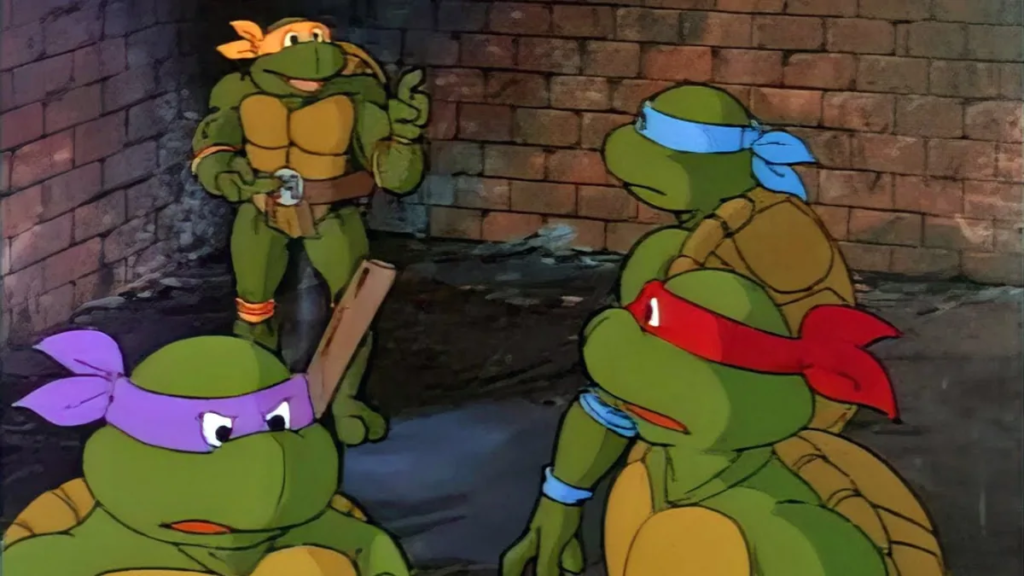
The 1980s Teenage Mutant Ninja Turtles (TMNT) cartoon is a cornerstone of pop culture history. This vibrant, action-packed animated series captured the hearts of millions of fans worldwide and became a juggernaut in the realm of cartoons. But how did it come about, who voiced its beloved characters, and how did it grow into a multi-season phenomenon? Let’s take a deep dive into the origins and legacy of this iconic series.
The Origins of the TMNT Cartoon
The Teenage Mutant Ninja Turtles cartoon first aired on December 14, 1987, as a five-part miniseries. The show was based on the comic book created by Kevin Eastman and Peter Laird in 1984. The original comic was gritty and aimed at a more mature audience, but toy manufacturer Playmates saw potential in adapting the Turtles for younger viewers. They partnered with Murakami-Wolf-Swenson (later Fred Wolf Films) to develop the animated series.
The tone of the cartoon was significantly lightened to make it kid-friendly. Gone were the dark themes of the original comics, replaced by humorous banter, pizza-loving heroes, and colorful villains. Eastman and Laird had minimal creative input in the show’s production, as the direction was largely dictated by Playmates’ desire to market toys.
Voice Actors Who Brought the Turtles to Life
The voices of the Ninja Turtles and their allies are legendary, with a cast that became synonymous with the characters:
- Cam Clarke as Leonardo: The disciplined and level-headed leader.
- Barry Gordon as Donatello: The brains of the group, known for his tech-savvy inventions.
- Rob Paulsen as Raphael: Witty and sarcastic, providing much of the show’s humor.
- Townsend Coleman as Michelangelo: The carefree party dude with a love for pizza.
Other notable cast members included Peter Renaday as Splinter, Renae Jacobs as April O’Neil, and James Avery (Uncle Phil from The Fresh Prince of Bel-Air) as the menacing Shredder.
From Mini-Series to Multi-Season Hit
The initial five episodes were a testing ground to gauge audience interest. The response was overwhelmingly positive, leading to a full-season order in 1988. The series’ success was driven by a clever blend of humor, action, and its ability to appeal to both children and nostalgic adults.
The show ran for a staggering 10 seasons, producing 193 episodes from 1987 to 1996. Its longevity can be attributed to the strength of its characters, its vast merchandise tie-ins, and its ability to adapt to changing trends while maintaining its core charm.
From Syndication to CBS Saturday Mornings
Originally airing in syndication on weekdays, TMNT transitioned to CBS Saturday mornings in 1990. This move expanded its reach and solidified its place as a weekend staple for kids. The CBS run also introduced new characters and storylines, keeping the show fresh and engaging.
Legacy and Conclusion
The 1980s Teenage Mutant Ninja Turtles cartoon remains a beloved classic. While Eastman and Laird had limited input, their creation became a cultural phenomenon that defined a generation. From its catchy theme song to its enduring characters, the TMNT series is a testament to the power of storytelling and the appeal of four crime-fighting turtles who just wanted to save the day—and eat some pizza. Cowabunga!